
If you live in Jacksonville, St. Johns, Orange Park, Fleming Island, St. Augustine, Ponte Vedra, or any surrounding communities, changes in your home’s water quality may be something worth paying attention to.
At Donovan Air, Electric & Plumbing, our technicians are constantly paying attention to the details that affect your home’s comfort, efficiency, and water quality. Recently, one of our technicians noticed a change in his own home’s water that Jacksonville homeowners should know about.
For years, he tracked the Total Dissolved Solids (TDS) levels in his home’s water. TDS measures the amount of dissolved minerals, salts, metals, and other substances present in water. It is measured in parts per million (ppm), with higher readings indicating a greater concentration of dissolved solids.
For years, his water consistently tested between 250 and 350 ppm. Following recent drought conditions, those readings steadily increased, eventually reaching 590 ppm, exceeding the EPA’s Secondary Maximum Contaminant Level (SMCL) of 500 ppm for total dissolved solids. He also found nearly a quarter inch of sand collected at the bottom of his whole-house sediment filter.

A high TDS reading does not necessarily mean your water is unsafe to drink. TDS measures the total amount of dissolved minerals and substances in the water, not bacteria or harmful contaminants. However, elevated TDS can affect taste, contribute to scale buildup, and indicate that additional water testing may be worthwhile.
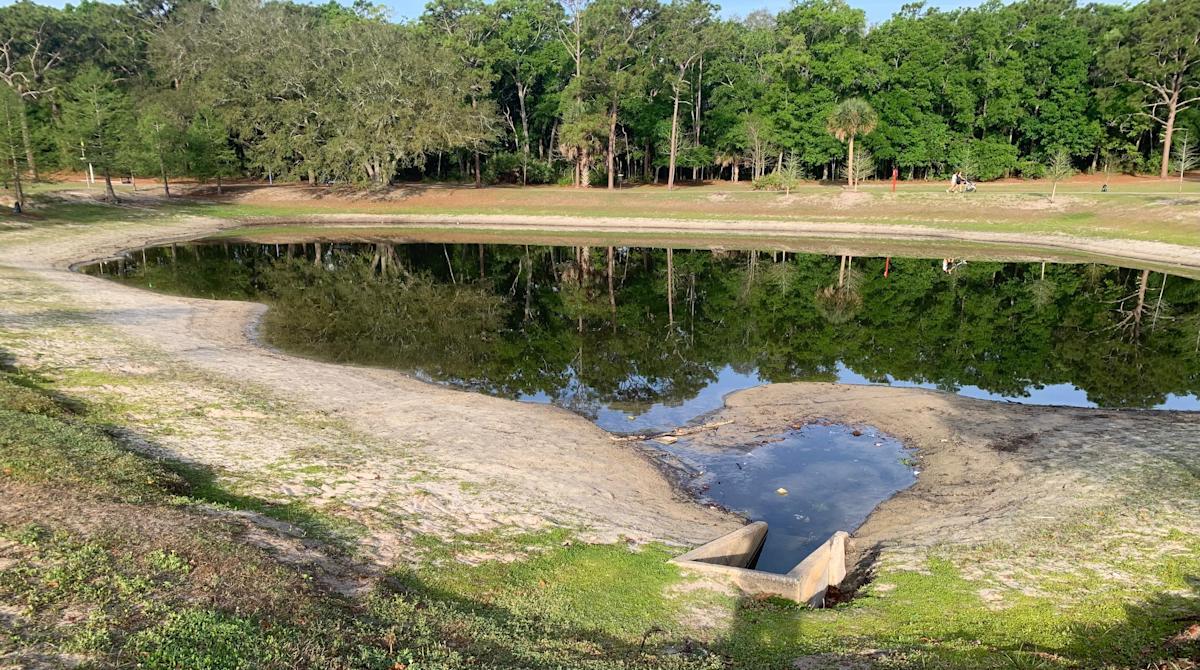
Changes in water quality can happen for several reasons. During extended drought conditions, groundwater levels can drop as less water is naturally replenished, and demand remains high.
When the water table declines, utilities may need to adjust how they manage available water supplies, including drawing from different sources or deeper portions of aquifers. Water from these areas can naturally contain higher concentrations of minerals and dissolved solids because it has spent more time in contact with underground rock and sediment.
Hard water is common throughout many areas of Florida. Minerals like calcium and magnesium can build up over time, creating problems throughout your plumbing system.
Higher levels of dissolved minerals can contribute to scale buildup on faucets and fixtures, spots on dishes and glassware, changes in taste, and reduced efficiency of water-using appliances. Over time, hard water can also shorten the lifespan of the following appliances:
Many homeowners ask whether they need a water softener or reverse osmosis system. The answer depends on what part of your water you are trying to improve.
A water softener is designed to address hard water throughout your home by reducing minerals like calcium and magnesium. This can help reduce scale buildup, protect plumbing and appliances, improve appliance efficiency, and provide softer-feeling water.
Benefits:
A reverse osmosis system is designed specifically for drinking water. Installed at your kitchen faucet, it helps reduce dissolved solids and other unwanted substances to provide cleaner, better-tasting water.
Benefits:
Some homeowners benefit from one solution, while others may choose both depending on their water quality needs.
The good news is you don’t have to guess what’s in your water.
At Donovan Air, Electric & Plumbing, we offer professional water testing in Jacksonville and surrounding communities to help identify what is affecting your home’s water quality and recommend the right solution based on your needs.
Whether you are dealing with hard water, high TDS water, changing drinking water quality, or looking for water filtration, our team can help you understand your options.
Your water is more than what comes out of your faucet. It is what your family drinks, cooks with, bathes in, and depends on every day.
If you have noticed changes in your water or want to better understand your home’s drinking water quality, Donovan Air, Electric & Plumbing can help.
Schedule your water test today and take the first step toward protecting your home’s water.
TDS levels can vary depending on your water source and location; however, a TDS level between 200-300 ppm is considered standard.
A high TDS reading alone does not mean your water is unsafe. TDS measures dissolved substances, not harmful contaminants. However, elevated TDS can affect taste, contribute to scale buildup, and indicate that additional water testing may be worthwhile.
A water softener helps address hard water throughout your home, while reverse osmosis improves drinking water quality at your faucet. Some homeowners benefit from both.
Yes. Changes in groundwater levels and water sources during drought conditions can affect mineral concentrations, sediment, and overall water quality.
Regular water testing can help you understand changes in your home’s water quality and determine when treatment may be beneficial. We recommend that you test the water in your Jacksonville home at least once a year.